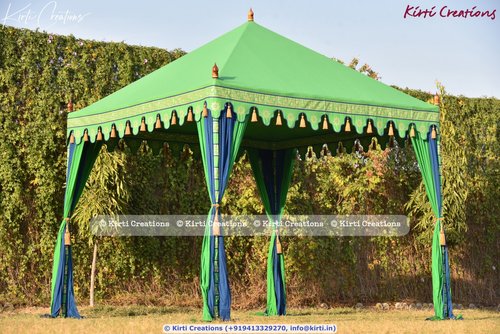
Why the Medieval Tent Never Went Out of Style
When we think of the Middle Ages, we often picture stone castles, knights in armour, and big feasts. However, one simple thing from that time remains popular today: the medieval tent. These movable shelters were more than just practical solutions for travellers or soldiers.
The medieval tent combined usefulness, art, and cultural meaning in a way that still influences modern designs. Even with all our new technology and building methods, why do we still like and use it? It’s because they’re very adaptable, look timeless, and make us think of adventure and romance.
Key Reasons for the Medieval Tent’s Enduring Appeal
Here are the key reasons why the medieval tent never went out of style:
The Historical Significance
Medieval tents weren’t just temporary shelters. They served as mobile homes for royalty during travels. Kings and queens required luxury even on the move. Their tents featured elaborate designs and rich fabrics.
These structures also played a crucial role in warfare. Military encampments used tents extensively during campaigns. The arrangement of tents often reflected military hierarchy and organisation. Commanders occupied larger, more ornate tents at the centre of camps.
Tournaments and festivals couldn’t happen without them. Colourful pavilions lined the fields during knightly competitions. These tents displayed heraldic symbols and family colours. They served as changing rooms, resting areas, and status symbols.
Design Elements
The medieval tent’s enduring appeal comes from its clever design. The basic structure uses central poles and guy ropes. This simple engineering allows for quick assembly and disassembly. Modern camping tents still follow these fundamental principles.
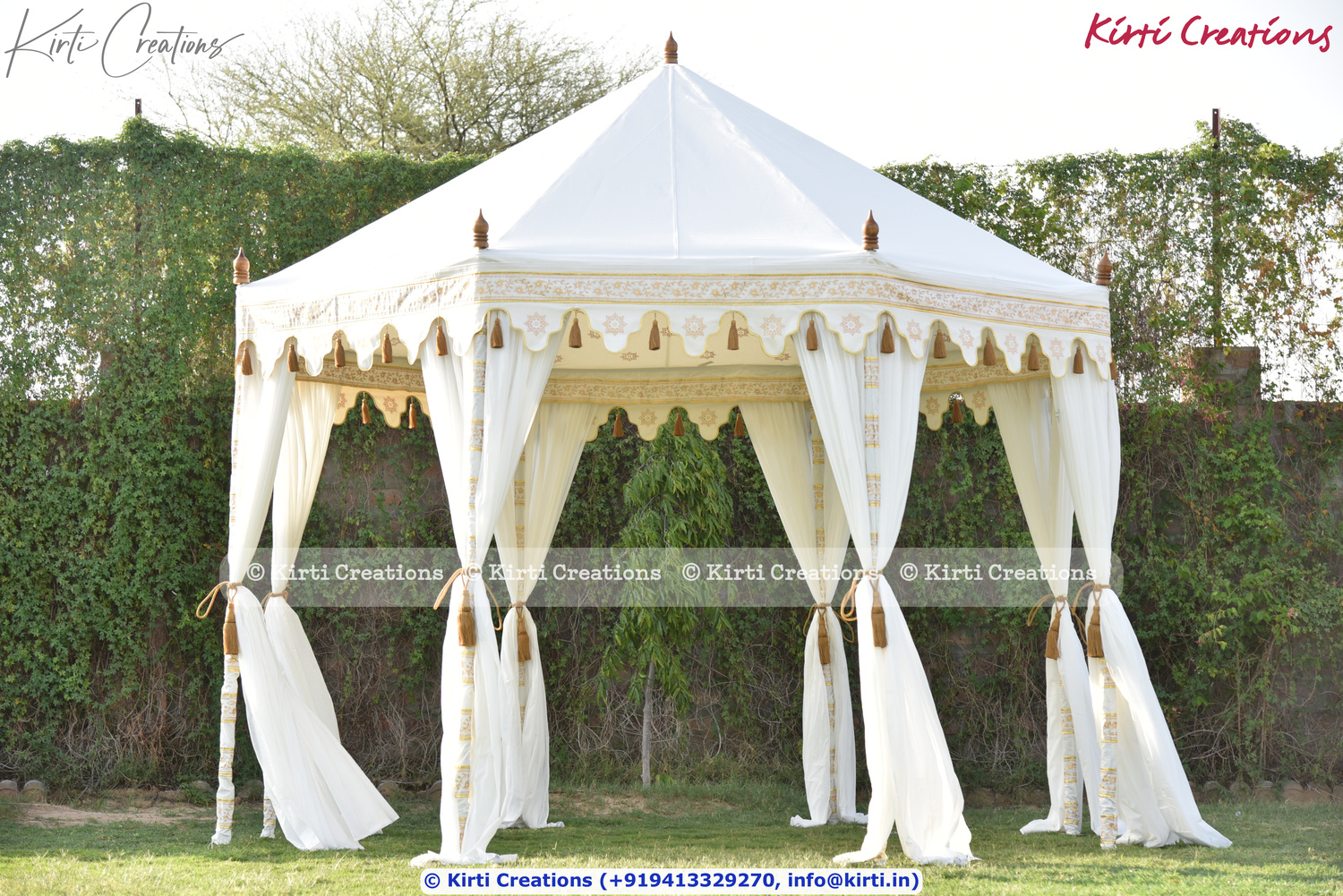
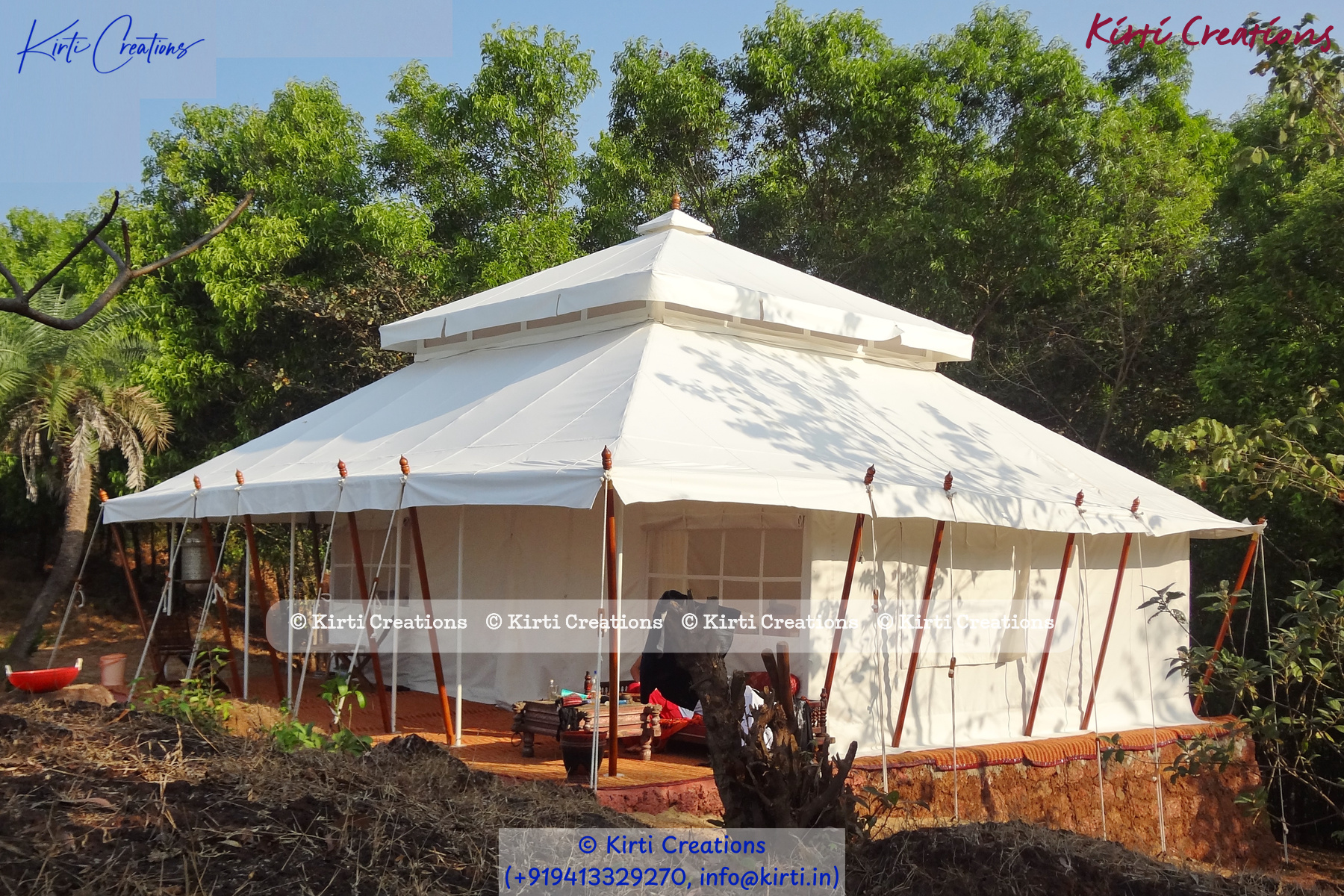

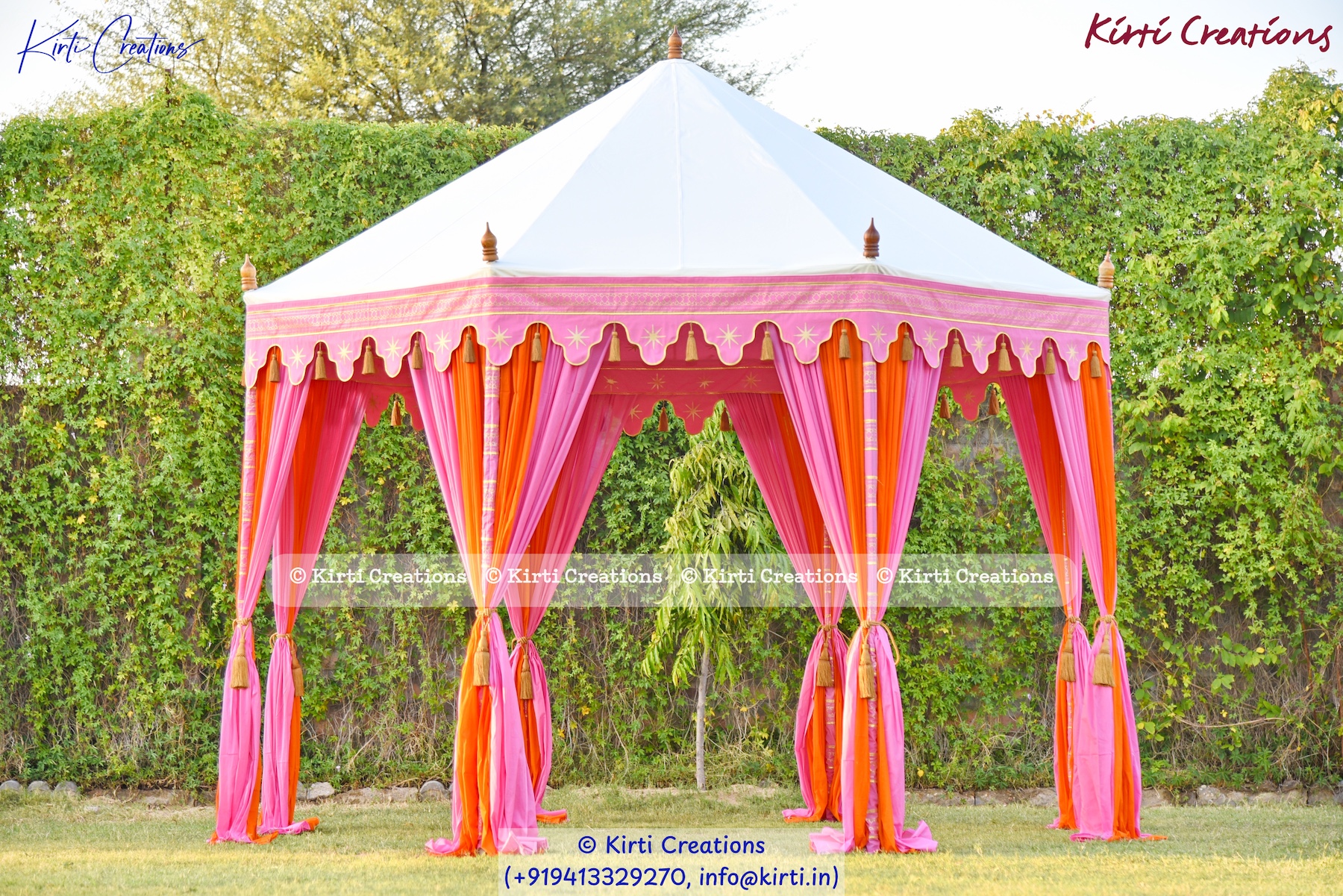
Fabric choices have evolved, but the concept remains. The Medieval tent used canvas, wool, and linen. Today’s versions employ waterproof synthetics and treated cotton. The shift in materials improved durability without changing the core design.
Decorative elements continue to charm modern users. Also, the Medieval tent featured painted exteriors and embroidered details, and the contemporary versions offer printed patterns and digital designs.
From Battlefield to Luxury Experience
The transformation of the medieval tent into luxury accommodations is fascinating. What once sheltered warriors now welcomes holidaymakers. Glamping represents the most obvious modern evolution. These upscale camping experiences often use medieval-inspired tent designs.
Resort settings have embraced this historical aesthetic. Poolside pergola tents create intimate, shaded retreats for guests. Their draped fabrics and wooden frames echo medieval sensibilities. They combine open-air enjoyment with a sense of privacy and exclusivity.
Event planners regularly turn to these designs to create a captivating atmosphere. Wedding venues feature medieval-style pavilions for ceremonies, while festival organisers use them to build immersive, themed environments. The structures provide both practical shelter and instant ambience.
Cultural Impact and Romantic Appeal
The medieval tent carries powerful cultural associations. It appears in films, television shows, and fantasy literature. Game of Thrones featured elaborate tent scenes during military campaigns, as historical reenactments wouldn’t feel authentic without them.
This design taps into our collective nostalgia. It represents a simpler yet more romantic era. The tent creates a temporary world separate from everyday life, and this emotional appeal explains its continued popularity at Renaissance fairs.
The sense of adventure associated with these structures remains strong. They represent journeys, quests, and discovery. Modern adventurers still feel connected to history when sleeping under canvas, as the medieval tent symbolises not only shelter but also the timeless call to explore.

Modern Innovations
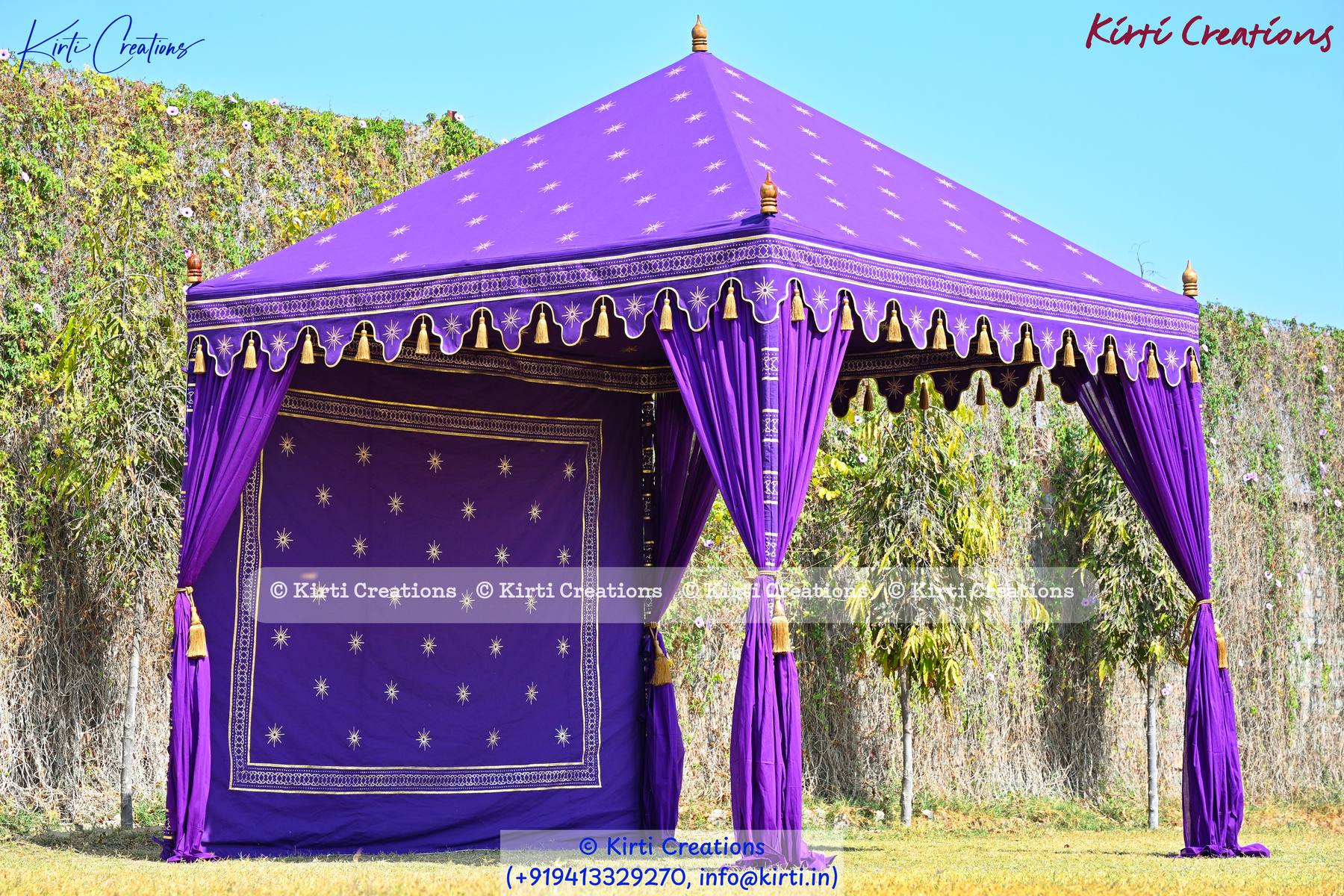
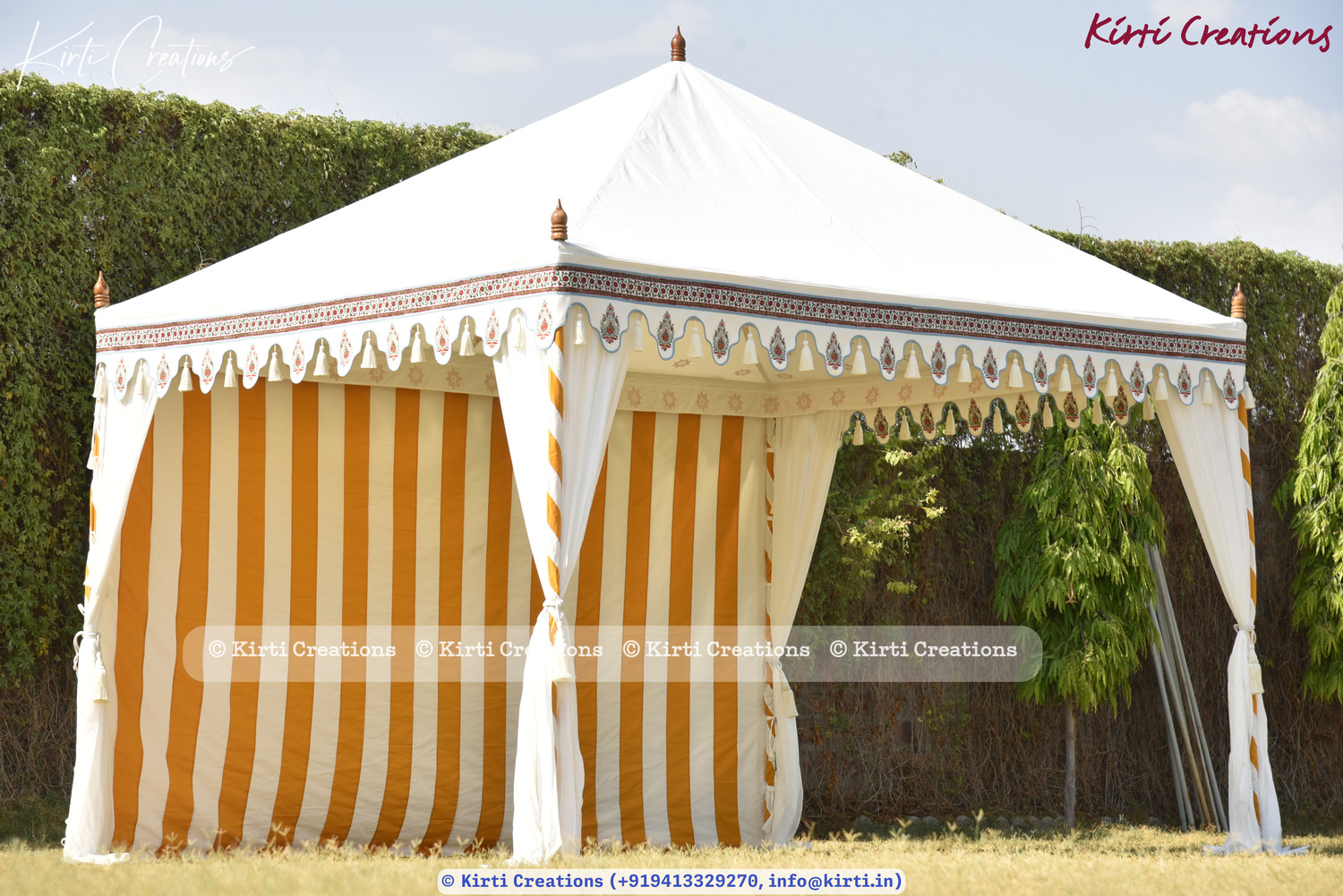
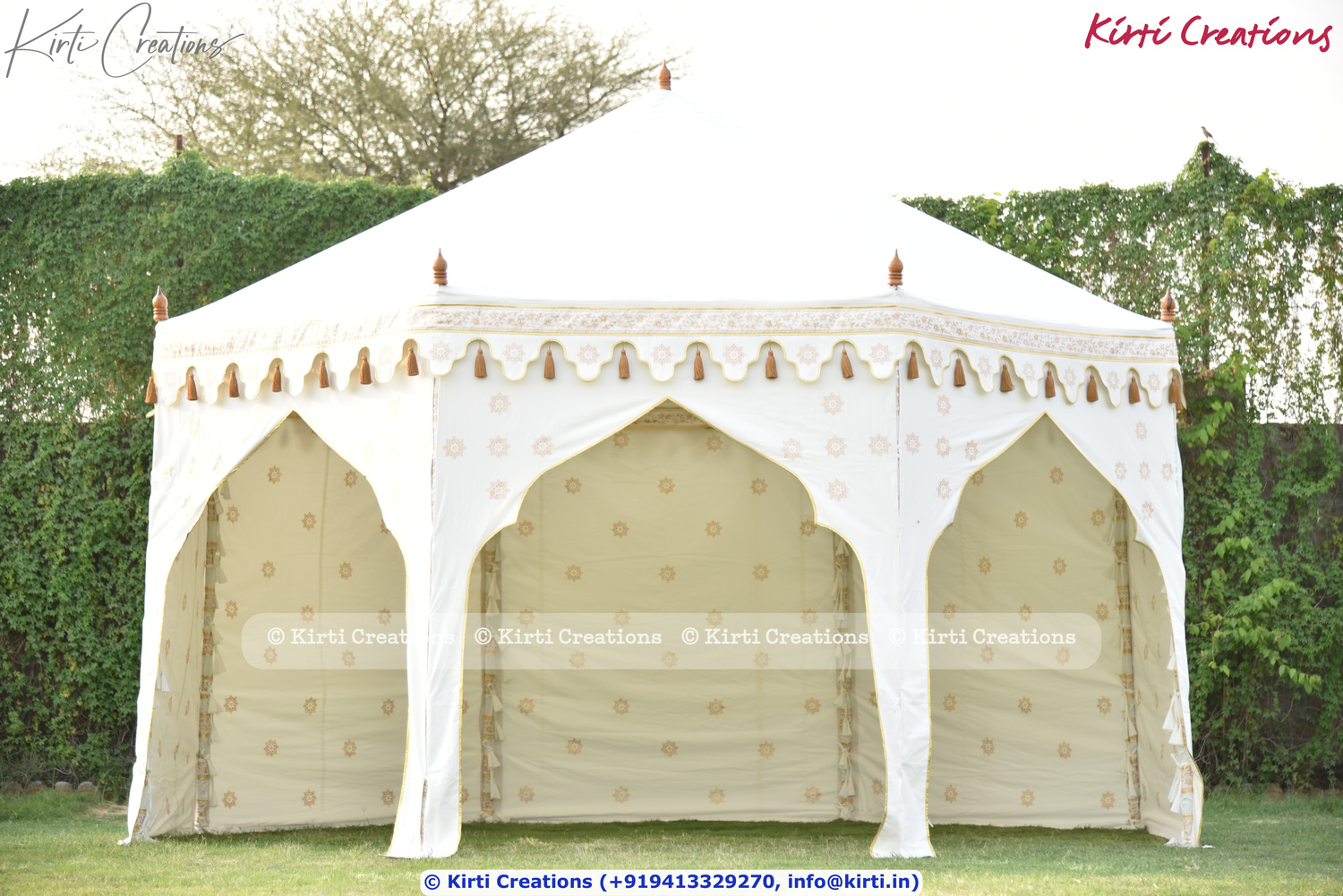
Today’s tent manufacturers draw heavily from medieval inspiration. Glamping companies offer conical tents reminiscent of medieval designs. Their interiors feature luxury amenities alongside historical aesthetics.
Architectural elements have been preserved and enhanced. Peaked roofs, central poles, and reinforced entrances remain. Modern materials simply make them more weather-resistant and durable, and the silhouette remains instantly recognisable across centuries.
Adaptability continues to define these structures. Medieval tents accommodated various terrains and weather conditions, and modern versions maintain this flexibility while adding convenience features. Also, the pop-up mechanisms and lightweight materials make assembly easier than ever.
Conclusion
The medieval tent has changed from a battlefield necessity to a luxury item, showing how versatile and popular it remains. Unlike many old designs that are forgotten, the tent has kept updating itself while staying true to its original look.
What’s interesting is how the tent has kept its main features: easy to move, unique shape, and ability to be customised while using new materials for new purposes.
Now, when we go to a themed wedding in a tent, relax under a tent by a pool, or go glamping in a fancy tent, we’re part of a centuries-old tradition. The medieval tent shows us that great design can be used for more than its original purpose. It meets our need for shelter that’s both useful and beautiful, temporary but important.
As we keep finding new ways to use these old designs, we’re not just copying history. We’re celebrating the clever ideas of our ancestors and recognising that some ideas never go out of style. Explore our collection of medieval tents and step back in time while still enjoying modern comfort.