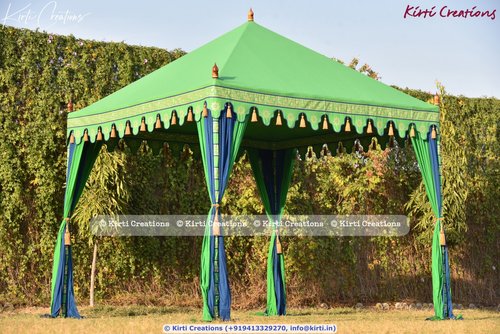
Designing for Royalty: The Story Behind Renaissance Tents and Their Grandeur
When you think of royal accommodation throughout history, grand stone castles come to mind. But during the Renaissance period (14th to 17th centuries), Europe's nobility took luxury living on the road. They opted for magnificent tents and pavilions that could rival their permanent structures in both splendour and craftsmanship.
These canvas structures were more than just practical shelters. They were a reflection of the Renaissance era's cultural refinement, showcasing the finest materials, expert craftsmanship, and innovative designs. That level of craftsmanship and attention to detail was a hallmark of the era.
Royal Residences on the Move
Renaissance monarchs and nobles frequently travelled between estates, led military campaigns, and attended diplomatic meetings. Rather than compromise on luxury during these journeys, they commissioned elaborate portable palaces that could be assembled wherever duty or pleasure took them.
Perhaps the most famous display of royal tent grandeur was the 1520 “Field of Cloth of Gold”—a diplomatic summit between King Henry VIII of England and King Francis I of France.
This extraordinary event featured a veritable village of magnificent pavilions stretching into the distance, primarily showcasing round designs with interconnecting sections. The centrepiece was an immense golden pavilion that gave the event its name, demonstrating how tents became theatrical backdrops for political power plays.
Architectural Marvels in Fabric
The Renaissance tent represented remarkable engineering achievements. The most impressive were the large pavilions with sophisticated structural systems that created spacious, stable interiors despite their temporary nature.
Round pavilions dominated royal encampments, with their distinctive conical or domed roofs supported by central poles and intricate rope systems. One ingenious support method was the “crows feet system”, featuring a main central mast with a construction held by ropes, a design confirmed by both period artwork and a surviving tent in the Basel museum.
For the largest royal pavilions, dimensions were truly impressive, often reaching heights of 4.5 metres with diameters of 5 to 6 metres, comfortably accommodating 8-14 people. Some designs incorporated multiple sections connected by rectangular passageways, creating oval or more complex configurations for additional space and functionality.

Decorated for Distinction
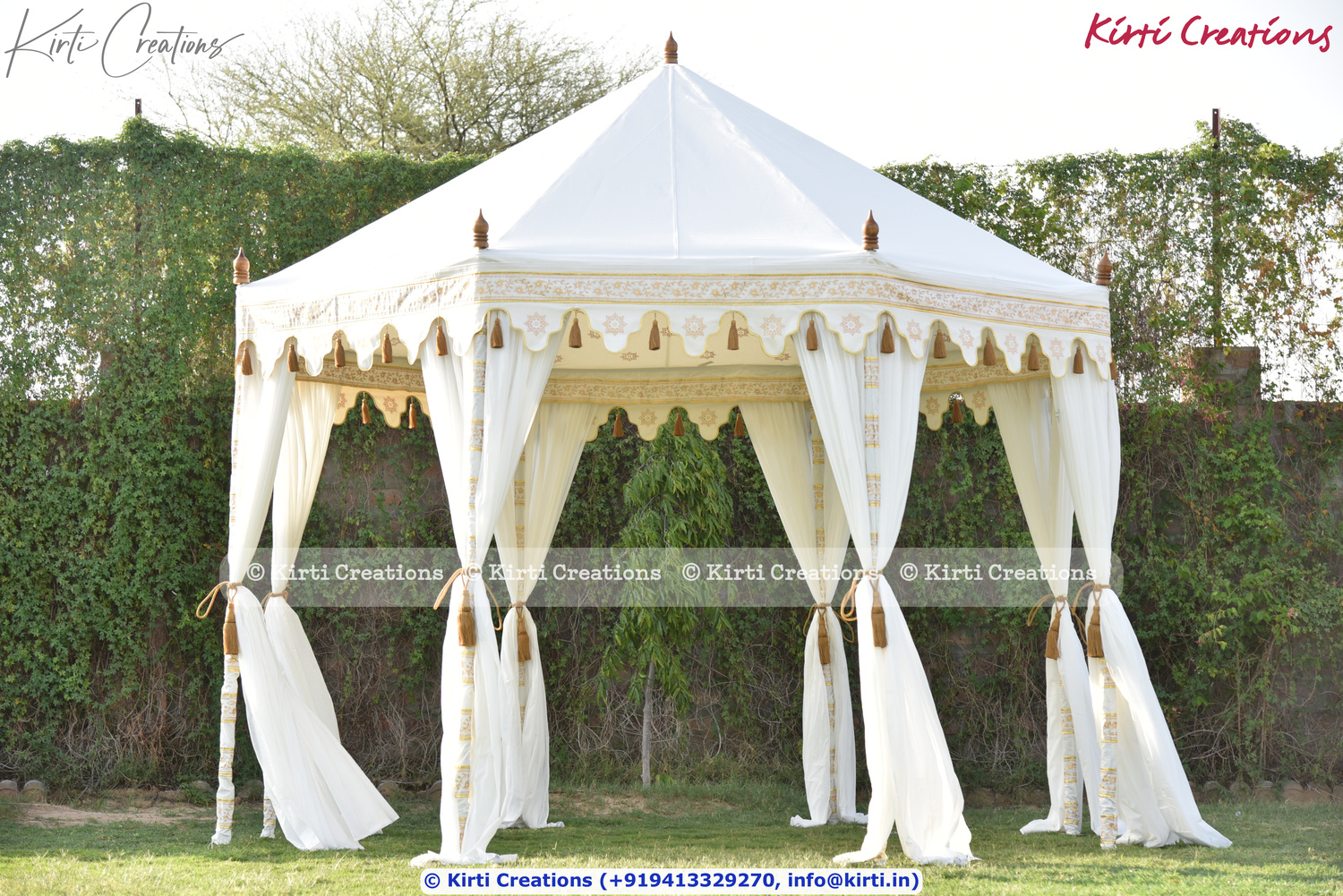
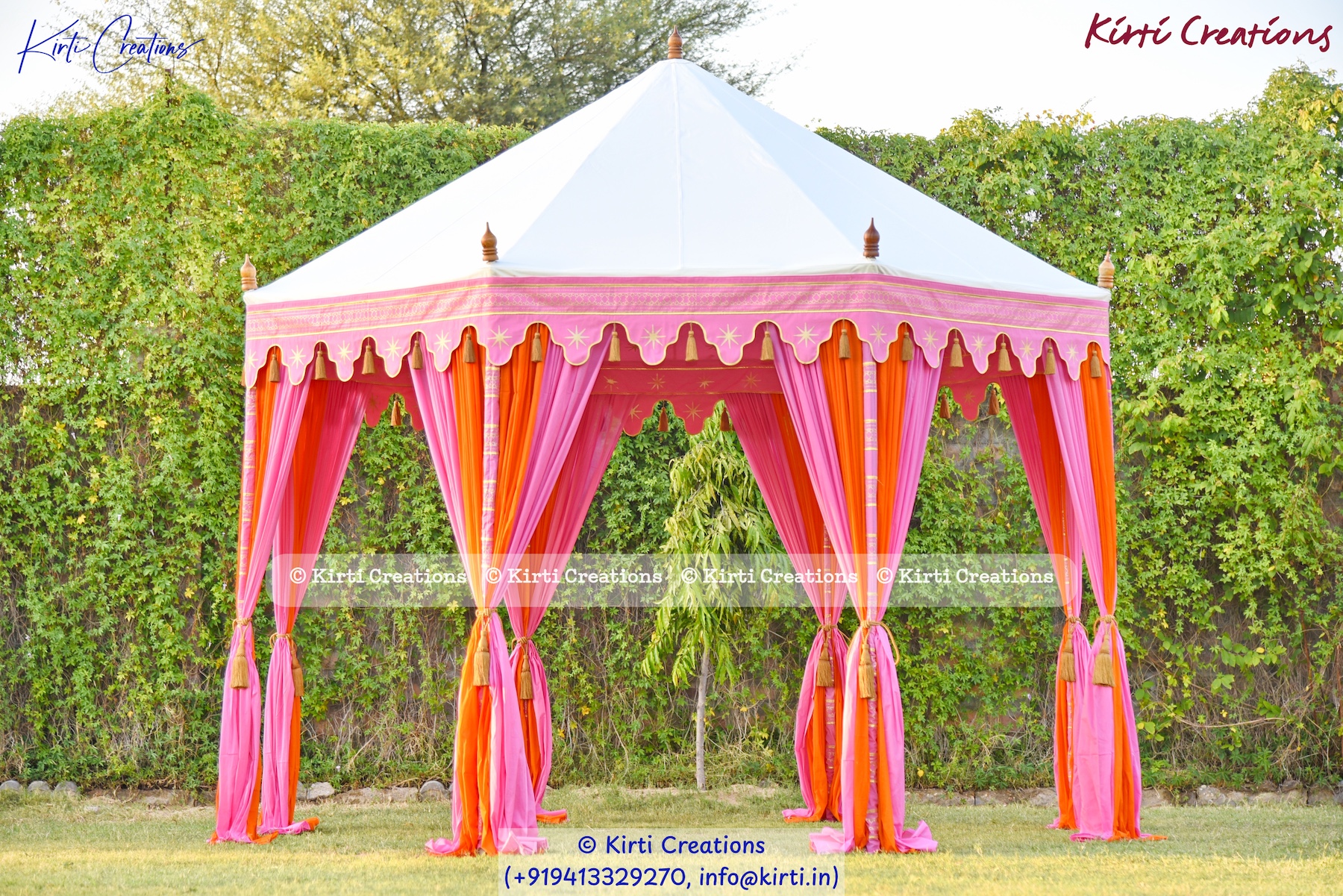
What transformed these tents from mere shelters to symbols of royal grandeur was their lavish decoration. Unlike the plain canvas structures used by common soldiers, royal pavilions featured:
- Vibrant colours are achieved through expensive dyes.
- Elaborate painted designs cover exterior and interior surfaces.
- Heraldic emblems and royal insignia are proudly displayed.
- Ornate patterns inspired by Gothic architecture.
- Gold and silver threads were woven into decorative elements.
- Scalloped edges, fringes and tassels add movement and drama.
Historical illustrations show the Renaissance tent adorned with bold stripes, a particularly striking visual element that made it stand out across crowded encampments. Others featured intricate painted scenes or were embellished with appliqué designs, turning the tent itself into a canvas for artistic expression.
Beyond Basic Shelter
The Renaissance tent served multiple functions beyond providing accommodation:
- Command Centres: During military campaigns, a monarch’s tent formed the strategic heart of the camp, with careful placement at the centre of the encampment, surrounded by nobles’ pavilions, with simpler shelters for common soldiers at the perimeter.
- Diplomatic Venues: Tents created neutral yet impressive spaces for negotiations and treaties, as seen at the Field of Cloth of Gold. Their temporary nature made them perfect for meetings on disputed territories.
- Ceremonial Spaces: Royal pavilions hosted feasts, celebrations, and court ceremonies while travelling, maintaining the pageantry of palace life wherever the monarch went.
- Status Symbols: The size, design, and ornamentation of one’s tent immediately communicated rank and importance within the strict social hierarchy of Renaissance courts.
Furnishing for Comfort and Impression
Renaissance royalty spared no expense in furnishing their travel accommodations. Inside these canvas structures, visitors will find:
- Wooden floors raised above the ground.
- Plush carpets imported from the East.
- Portable furniture specially designed for travel, yet maintaining elegance.
- Tapestries hung on interior walls for insulation and decoration.
- Silver and gold dining services.
- Fine linens and textiles.

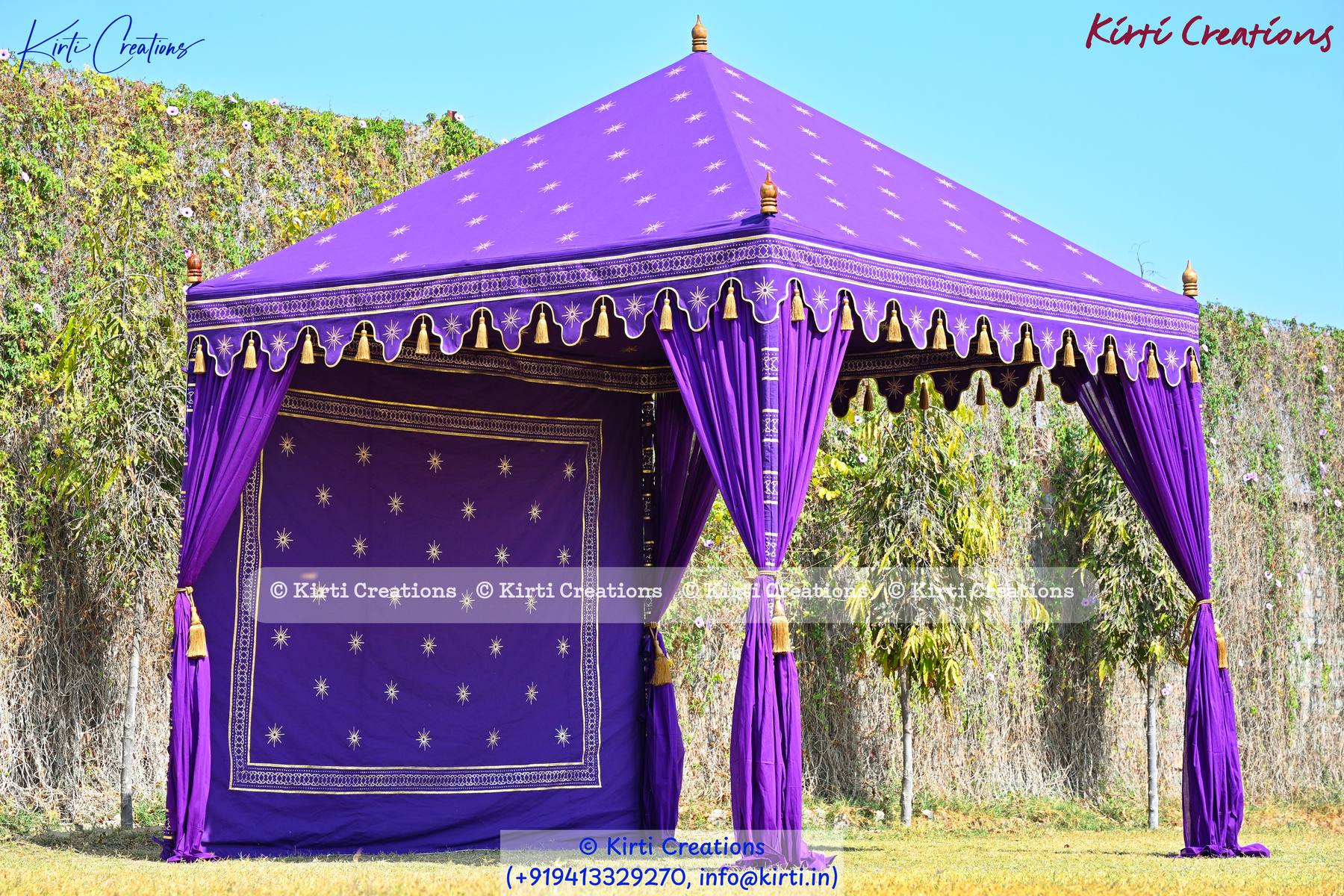
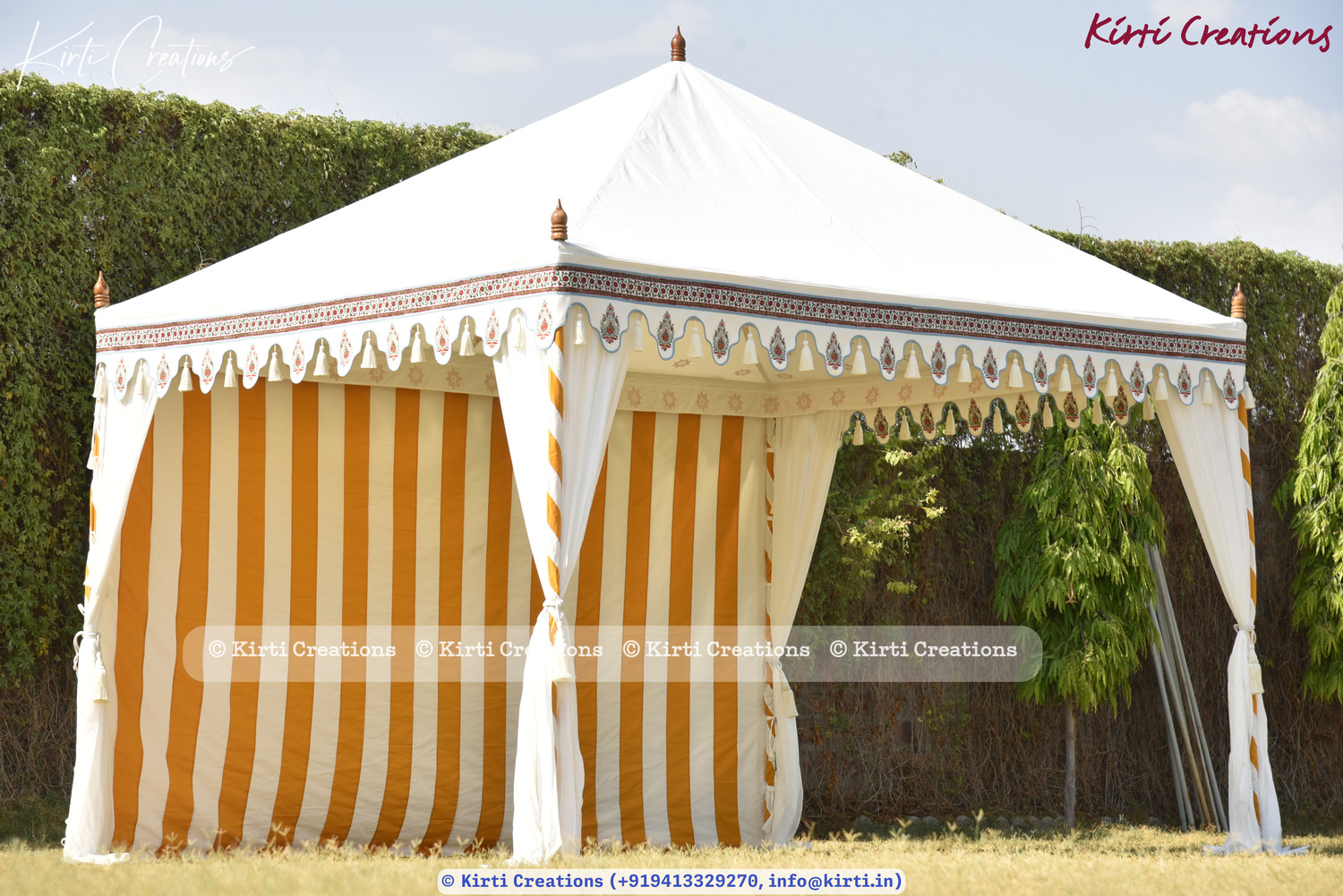
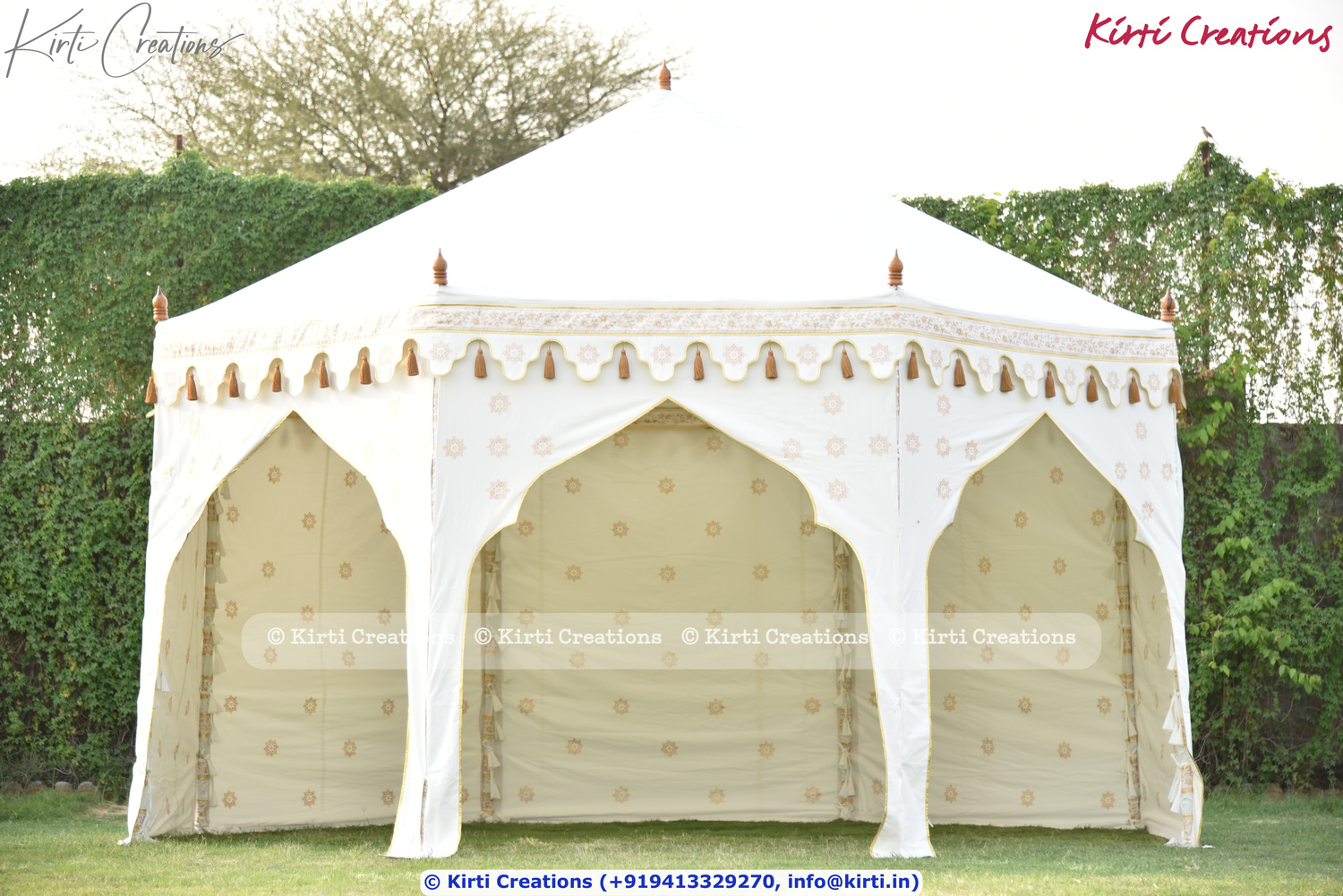
The interior arrangements often mimicked palace rooms, with designated areas for sleeping, dining, and receiving visitors. This creates a seamless extension of court life despite the temporary setting.
Legacy and Modern Appreciation
While few original Renaissance tents survive today, their legacy continues through historical records, artwork, and modern recreations. Museums occasionally display rare surviving examples, such as the Spanish royal tent from 1517 and the 17th-century pavilion in Basel.
The craftsmanship and design principles of these magnificent structures continue to inspire contemporary tent makers who create historical reproductions for reenactments, films, and heritage events.
Companies like Medieval Tent specialise in recreating these canvas masterpieces, helping modern audiences appreciate the remarkable mobile architecture of the Renaissance.
Conclusion
The Renaissance tent represents a fascinating intersection of practical necessity and artistic extravagance. These temporary palaces enabled monarchs to maintain their grandiose lifestyle and project their power whilst travelling throughout their realms.
The story of Renaissance tents reminds us that throughout history, royalty has transformed even the most functional objects into spectacular displays of wealth, taste and authority.
The next time you set up a modern camping tent, take a moment to appreciate how far we’ve come from those magnificent royal pavilions and perhaps feel a touch of nostalgia for an era when even temporary shelter could be an extraordinary work of art.
Elevate your next event with authentic Renaissance luxury. Explore our exquisite collection of Renaissance tents today!